Early Years
Learn through foundations
Early language, early numeracy, communication, observation and familiarisation with structured learning environments.
EARLY YEARS & PRIMARY
The early years lay the foundations for everything that follows. At VED International School, young learners are introduced to language, mathematics, knowledge and the world around them through a structured academic journey designed for their stage of development.
THE EARLY FOUNDATIONS
The first years of schooling are a time of rapid development. Students begin building the essential knowledge and skills that support future learning—from communication and early literacy to numeracy, observation, reasoning and understanding the world around them.
Developing vocabulary, communication, reading and early writing skills.
Building number sense, patterns, relationships and logical thinking.
Introducing students to their surroundings, people, nature and the wider world.
Developing attention, participation, organisation and independence appropriate to each stage.
A DEVELOPING JOURNEY
As students move from the early years into primary school, the nature of learning gradually changes. Activities become more structured, subject knowledge expands and students take increasing responsibility for their work, participation and progress.
Early Years
Early language, early numeracy, communication, observation and familiarisation with structured learning environments.
Lower Primary
Reading, writing, mathematics and foundational knowledge develop alongside increasingly structured classroom & campus learning.
Upper Primary
Students engage with broader subject content, more complex concepts and greater expectations around independent academic work.
INSIDE THE CLASSROOM
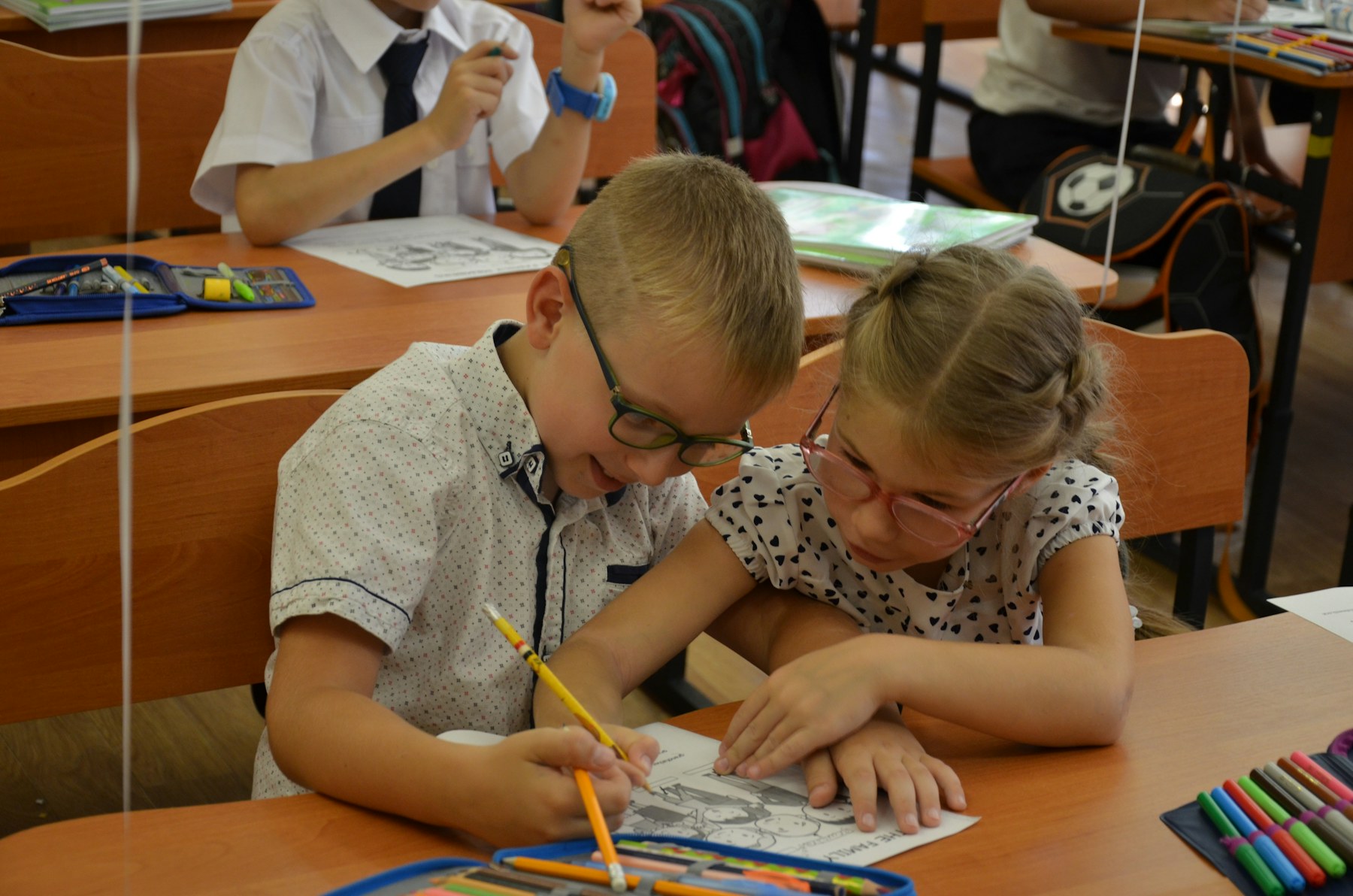
Younger learners benefit from varied ways of engaging with a concept. Depending on the subject and stage, learning can involve explanation, discussion, reading, writing, practical work, observation, problem-solving and collaborative activities.
LISTEN & DISCUSS
Developing understanding through questions, conversation and classroom interaction.
READ & WRITE
Building the language skills needed for communication and future academic learning.
THINK & SOLVE
Using reasoning, patterns and problem-solving to approach new ideas.
MAKE & EXPLORE
Using practical activities to connect concepts with observation and experience.
BEYOND CORE SUBJECTS
The primary years also provide opportunities for students to develop communication, collaboration, creativity, physical wellbeing and social awareness. These experiences complement academic learning and contribute to a broader school experience.
FOR FAMILIES EXPLORING THIS STAGE
This should provide the exact age/grade range followed by VED, once confirmed.
Explain the balance of foundational academic learning, classroom activities and age-appropriate experiences, using only VED-confirmed practices.
Explain how students build essential literacy, communication and mathematical foundations across the stage.
Describe how academic expectations, subject knowledge and student independence develop progressively through the stage.
This is an important parent question, but the answer should only mention specific support systems that VED officially provides.
Explain the transition into Middle & Secondary and how students are prepared for the changing academic structure.
Ready for What Comes Next.
Explore Middle & Secondary Admissions information